
Chemical Injection Flow Monitoring Using Thermal Flow Switches
Reliable low-flow detection for high-pressure chemical injection systems to protect assets and maintain process integrity.

Over 45 Years in Operation

1000's of UK Installations

Supporting 100's of UK Sites




Why Chemical Injection Monitoring Matters
Chemical injection plays a critical role in maintaining oil and gas production systems.
Corrosion inhibitors, scale inhibitors and methanol are routinely injected into wells and pipelines to:
- Prevent corrosion and infrastructure damage
- Inhibit scale formation and blockages
- Maintain flow efficiency and production rates
- Protect downstream processing equipment
However, these systems operate under extreme pressures and very low flow rates, making accurate monitoring essential.
Without reliable flow detection, operators risk undetected chemical loss, equipment damage and costly production issues.
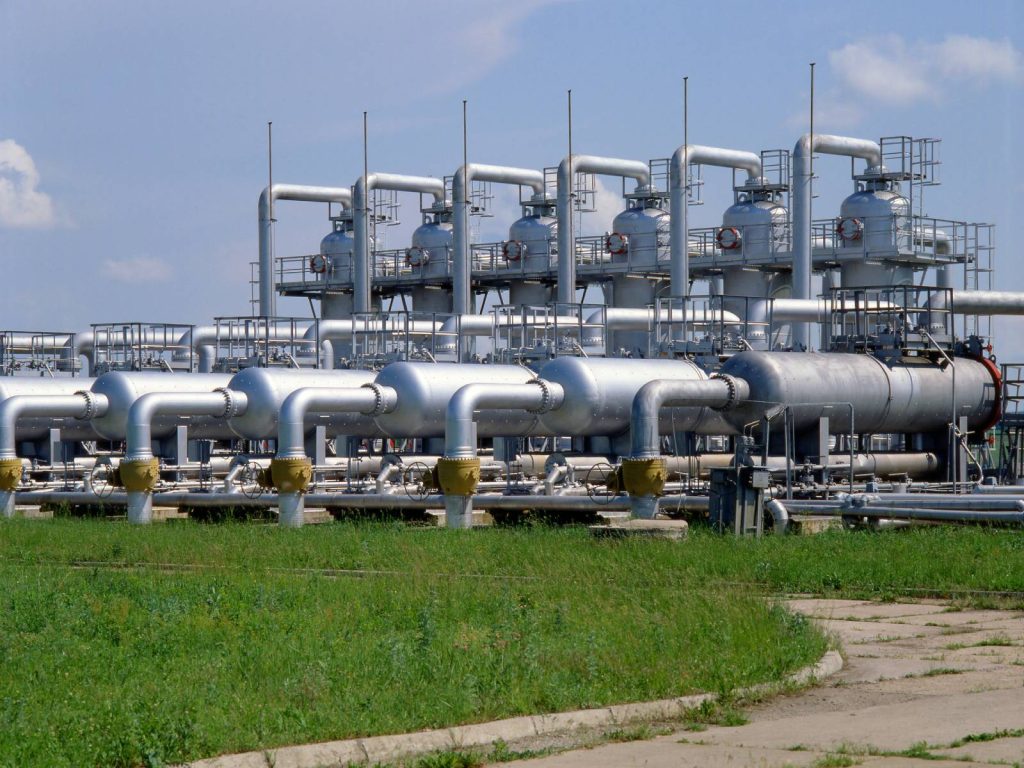
The Problem: High Pressure, Ultra-Low Flow
Chemical injection systems present one of the most demanding flow monitoring challenges in industry.
Typical conditions include:
- Operating pressures of 300–400 Bar, often higher
- Extremely low flow rates, sometimes below 1 litre per hour
- Pulsating flow from injection pumps
- Aggressive and corrosive chemicals
- Critical requirement for continuous and accurate dosing
Many traditional flow measurement technologies struggle under these conditions.
The result can be:
- Undetected loss of injection
- Over or under dosing of chemicals
- Increased risk of corrosion or scaling
- Reduced system efficiency and reliability
The Solution: Reliable Low Flow Detection
In chemical injection systems, the priority is often not full flow measurement — but reliable confirmation that flow is present.
Flow switches provide a robust and effective solution by:
- Detecting loss of flow immediately
- Monitoring low-flow conditions in real time
- Providing alarm or shutdown signals to protect the system
- Operating reliably under extreme pressure conditions
This ensures that chemical injection remains consistent and effective.
Why Thermal Flow Switches Are Effective
Thermal flow switches are particularly well suited to chemical injection applications due to their ability to detect very low flow rates under challenging conditions.
Key advantages include:
- Reliable low-flow detection down to extremely small flow rates
- No moving parts, reducing maintenance and failure risk
- Strong resistance to pressure, vibration and pulsation
- Suitable for aggressive and corrosive fluids
- Stable performance in high-pressure environments
This makes them a preferred solution where other technologies may be impractical or unreliable.
Recommended Products for Chemical Injection Monitoring
The FLT93L thermal flow switch is specifically designed for ultra-low flow detection in high-pressure systems, making it ideal for chemical injection applications.
It is widely used across the oil and gas industry to monitor injection pumps and ensure consistent chemical dosing.
The FLT93L is capable of operating at pressures up to 700–800 Bar, while detecting flow rates as low as 0.15 litres per hour — a critical requirement for many injection systems.
Its fully welded inline sensor design provides a robust and reliable solution for demanding process conditions.
Key Features:
- SIL2 rated for safety-critical applications
- ATEX Exd certified for hazardous areas
- Operating pressures up to 800 Bar
- Ultra-low flow detection down to 0.15 litres per hour
- Flanged or clamp hub process connections
- Available in corrosion-resistant materials
These capabilities make the FLT93L particularly effective for monitoring corrosion inhibitor, scale inhibitor and methanol injection systems.
Typical Chemical Injection Applications
Chemical injection flow monitoring is used across a wide range of oil and gas processes:
- Corrosion inhibitor injection systems
- Scale inhibitor dosing systems
- Methanol injection for hydrate prevention
- Subsea and topside injection systems
- Wellhead and pipeline chemical dosing
- Enhanced oil recovery processes
In all cases, maintaining correct injection rates is critical to asset protection and operational efficiency.
Installation & Application Considerations
Correct selection and installation are essential for reliable performance.
Key factors include:
- High-pressure rating and process connection requirements
- Compatibility with injected chemical composition
- Flow range and detection sensitivity
- Installation within injection lines or pump discharge
- Hazardous area classification (ATEX / SIL)
Inline sensor designs are typically preferred to ensure accurate and stable detection at very low flow rates.
Our Experience & Approach
At Allison Engineering, we have extensive experience supporting chemical injection systems across oil and gas applications.
We understand that:
The challenge is not just measuring flow - but ensuring reliable detection under extreme conditions.
Our approach focuses on:
- Understanding the injection system and operating conditions
- Selecting proven technologies suited to high-pressure, low-flow applications
- Supporting correct installation and configuration
- Providing ongoing technical support and expertise
This ensures dependable performance and long-term protection of critical assets.
See also:
Pump Protection Using Flow Monitoring and Flow Switches
Analyser Sample Flow Monitoring Using Flow Switches
Key Benefits
- Accurate detection of extremely low chemical injection flow rates
- Reliable operation at very high pressures in demanding environments
- Prevents under-injection that can lead to corrosion, scaling or process failure
- Helps optimise chemical usage and reduce unnecessary chemical costs
- Early warning of pump or injection system failure
- Robust, no-moving-parts design for long-term reliability and low maintenance
Need information or advice?
Speak with our friendly, expert team to discuss your requirements and find out how we can help you.
Chemical Injection Flow Monitoring FAQs
Explore common questions about chemical injection monitoring, including how flow detection works, typical challenges and how to select the right solution.
Why is chemical injection monitoring important?
Chemical injection ensures pipelines and production systems are protected from corrosion, scaling and blockages.
Without reliable monitoring, loss of injection can go undetected, leading to serious equipment damage and production issues.
What makes chemical injection difficult to monitor?
Chemical injection systems operate at very high pressures and extremely low flow rates, often with pulsating flow and aggressive chemicals.
These conditions make accurate and reliable monitoring challenging.
What is the best way to monitor chemical injection flow?
In many cases, flow switches are used to confirm that flow is present and within expected limits.
For ultra-low flow and high-pressure applications, thermal flow switches are often the most reliable solution.
Can flow switches operate at high pressure?
Yes. Certain flow switches, such as the FLT93L, are specifically designed for high-pressure applications and can operate at pressures up to 700–800 Bar.
What is the lowest flow rate that can be detected?
Specialist flow switches can detect extremely low flow rates, down to approximately 0.15 litres per hour depending on the application and configuration.
What happens if chemical injection stops?
If injection stops, pipelines and equipment are no longer protected from corrosion or scaling, which can lead to damage, reduced efficiency and costly downtime.
Are these systems suitable for hazardous areas?
Yes. Many of the solutions we provide are in hazardous areas, where we ensure that products are ATEX and SIL rated, making them suitable for use in hazardous oil and gas environments.
Relevant Links

Why Trust Allison Engineering
We are committed to delivering the highest standards across the specialist areas we support, combining proven products with practical engineering knowledge and dependable service.
Need Help Monitoring Chemical Injection Systems?
Speak to our team to identify the right solution for your application and ensure reliable, accurate and continuous chemical dosing.