
Pump Protection Using Flow Monitoring & Flow Switches
Prevent pump damage, reduce downtime and protect critical process equipment with reliable flow detection.

Over 45 Years in Operation

1000's of UK Installations

Supporting 100's of UK Sites





Why Pump Protection Matters
Pumps are critical to the operation of many industrial processes, from fluid transfer and cooling systems to chemical dosing and fuel handling. One of the most common and damaging issues is dry running, where a pump continues to operate without sufficient liquid flow. In these conditions, the fluid no longer provides cooling or lubrication, leading to:
- Rapid overheating
- Seal and bearing damage
- Premature equipment failure
- Unplanned downtime and costly repairs
In many cases, these failures can be prevented with simple, reliable flow monitoring.
The Problem: What Causes Pump Failure?
Pump failures are rarely caused by the pump itself, but by changing process conditions.
Common causes include:
- Loss of suction or empty tank conditions
- Blocked or restricted discharge lines
- Closed valves or incorrect operation
- Low or no flow conditions
- Air entrainment or gas pockets
- System leaks or upstream supply issues
Without effective monitoring, these issues may go undetected until damage has already occurred.
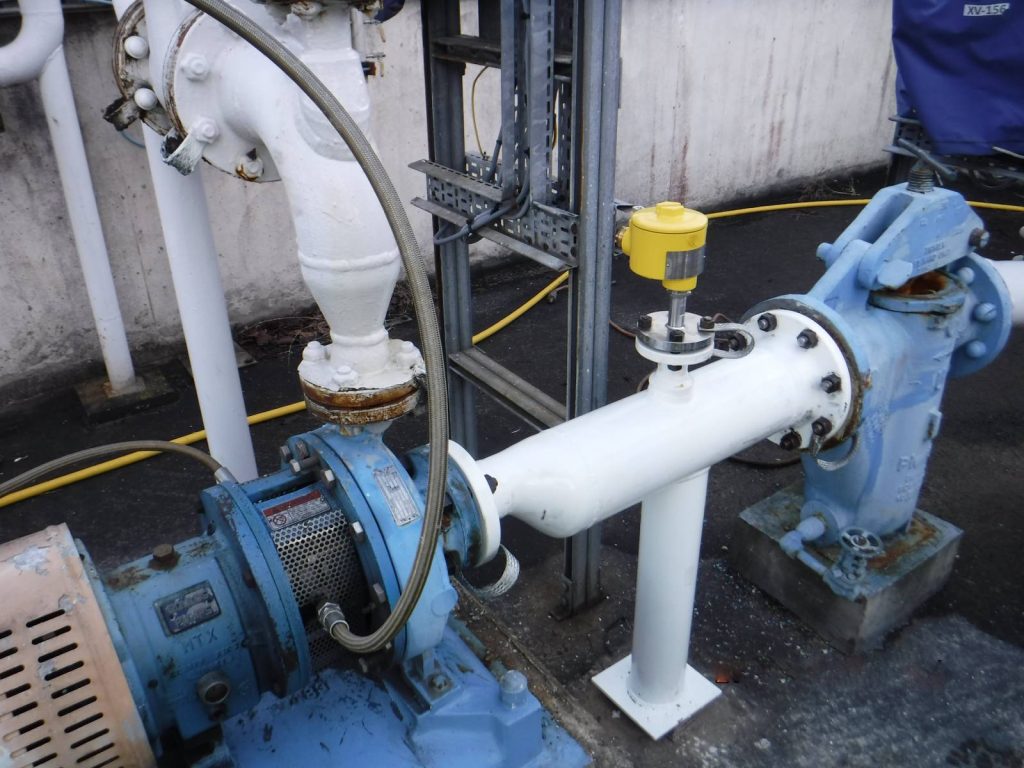
The Solution: Flow Monitoring for Pump Protection
Flow switches provide a simple and effective method of protecting pumps by continuously monitoring whether flow is present and within expected limits.
They can be used to detect:
- No flow (dry running conditions)
- Low flow (restricted or failing system)
- Changes in flow behaviour indicating process issues
By triggering alarms or shutdown signals, flow switches allow operators to act early and prevent damage before it occurs.
See also High Temperature Flow Switches and Flow Meters for Comustion Air and SIL & SIS Compliant Process Control Instrumentation
Why Thermal Flow Switches Are Effective
Thermal flow switches are widely used for pump protection due to their reliability and ability to perform in challenging process conditions.
Key advantages include:
- No moving parts, reducing wear and maintenance requirements
- Reliable operation at very low flow velocities
- Suitable for both clean and contaminated liquids
- Resistant to vibration, pulsation and harsh environments
- Fast response to changing flow conditions
This makes them particularly well suited to demanding industrial applications where mechanical alternatives may struggle.
Recommended Products for Pump Protection
The FLT93 thermal flow switch is widely regarded as an industry standard for pump protection applications.
It is designed specifically to detect low flow and no flow conditions, helping prevent damage caused by dry running and process upsets.
With thousands of installations across industries including offshore oil & gas production and onshore refineries, the FLT93 has been proven in applications involving crude oil, gasoline, diesel, liquid ethylene and seawater.
Its rugged, all-welded sensor design, available in 316 stainless steel or Hastelloy, provides reliable performance in pulsating, dirty and high-temperature environments.
Key Features:
- SIL2 rated for safety-critical applications
- ATEX Exd certified for hazardous areas
- Operating range from cryogenic temperatures (-100°C) to +450°C
- Dual relay alarms for pre-warning and shutdown conditions
- Suitable for flow ranges from approximately 0.003 to 0.9 m/s
- Threaded (NPT/BSP) or flanged process connections
The dual alarm functionality allows one relay to act as an early warning signal, with the second providing a shutdown trigger in the event of a dry pipe condition.
Typical Pump Protection Applications
Pump protection using flow monitoring is used across a wide range of industries and processes:
- Cooling water and circulation systems
- Boiler feedwater and condensate return
- Chemical dosing and injection systems
- Lube oil and lubrication systems
- Fuel transfer and hydrocarbon handling
- Wastewater and effluent pumping
- HVAC and building services
- Chemical Injection Flow Monitoring
- Analyser Sample Flow Monitoring
These applications often operate continuously, making early fault detection essential for maintaining uptime and performance.
Installation & Application Considerations
Correct installation plays a key role in ensuring reliable pump protection.
Important considerations include:
- Sensor positioning to ensure accurate flow detection
- Pipe size, material and flow profile
- Operating temperature and pressure conditions
- Hazardous area classification requirements
- Accessibility for maintenance and adjustment
Selecting the correct sensor design and installation approach ensures consistent and dependable operation over time.
Our Experience & Approach
At Allison Engineering, we have supported pump protection applications across a wide range of industries, from simple utility systems to complex process environments.
Our approach is based on:
- Understanding the application and failure risks
- Selecting proven, application-specific technologies
- Ensuring correct installation and configuration
- Supporting long-term performance through service and maintenance
This ensures customers receive not just a product, but a reliable and effective protection solution.
Key Benefits
- Prevents pump damage caused by dry running and low flow conditions
- Early detection of flow loss to protect seals, bearings and equipment
- Reduces costly downtime, maintenance and unplanned repairs
- Reliable operation in harsh, high temperature and contaminated liquids
- Suitable for a wide range of fluids and industrial applications
- Supports safe and efficient process operation with SIL-rated protection
Need information or advice?
Speak with our friendly, expert team to discuss your requirements and find out how we can help you.
Pump Protection FAQs
Explore common questions about pump protection, including how flow switches work, typical failure causes and how to select the right solution for your application.
What is pump protection?
Pump protection refers to systems and instrumentation used to prevent damage caused by conditions such as dry running, low flow, blocked discharge or system faults.
Flow monitoring is one of the most effective methods because it directly confirms whether fluid is moving through the system.
How does a flow switch protect a pump?
A flow switch detects whether flow is present within a pipe. If flow drops below a defined level, it can trigger an alarm or automatically shut down the pump.
This prevents overheating and mechanical damage caused by dry running.
Why is dry running dangerous for pumps?
During normal operation, the pumped fluid provides cooling and lubrication. Without it, internal components such as seals and bearings can overheat and fail very quickly.
What industries use pump protection systems?
Pump protection is widely used across oil and gas, chemical processing, wastewater, energy and industrial utilities.
Any process using pumps to move fluids can benefit from flow-based protection.
Where should a flow switch be installed?
Flow switches are typically installed in the discharge line of a pump to confirm flow is present.
Installation location may vary depending on the application and system design.
Are thermal flow switches suitable for harsh environments?
Yes. Thermal flow switches are well suited to demanding environments due to their no-moving-parts design and resistance to contamination, vibration and temperature extremes.
How do I choose the right flow switch?
Selection depends on the fluid type, flow range, pipe size, temperature, pressure and hazardous area requirements.
Different sensor designs may be better suited to liquids, gases or specific process conditions.
Relevant Links

Why Trust Allison Engineering
We are committed to delivering the highest standards across the specialist areas we support, combining proven products with practical engineering knowledge and dependable service.
Need Help Protecting Your Pumps?
Speak to our team to identify the right flow monitoring solution for your application and ensure reliable, long-term pump protection.