
VOC Monitoring for Biogas and Landfill Gas Applications
Reliable VOC monitoring helps operators control emissions, meet environmental regulations and better understand gas composition.

Over 45 Years in Operation

1000's of UK Installations

Supporting 100's of UK Sites




Introduction
Volatile Organic Compounds (VOCs) are commonly present in biogas and landfill gas streams, originating from organic waste breakdown and site-specific contaminants.
These compounds can impact gas quality, environmental compliance and downstream processes such as upgrading and combustion. Monitoring VOCs provides operators with visibility of emissions and helps ensure that gas treatment systems are performing effectively.
As environmental regulations become more stringent, accurate VOC monitoring is increasingly important for both compliance and operational optimisation.
The Problem
VOC emissions are often difficult to detect and quantify, particularly in biogas and landfill environments where gas composition is variable and conditions are challenging.
Common challenges include:
- Low concentration VOCs that are difficult to detect
- Variable gas composition depending on feedstock and process conditions
- Wet, contaminated gas streams affecting sensor performance
- Lack of continuous monitoring leading to incomplete emissions data
- Difficulty identifying sources of emissions or system inefficiencies
- Increasing regulatory pressure to monitor and report emissions
Without reliable monitoring, operators may struggle to demonstrate compliance or identify issues within their gas treatment systems.
The Solution
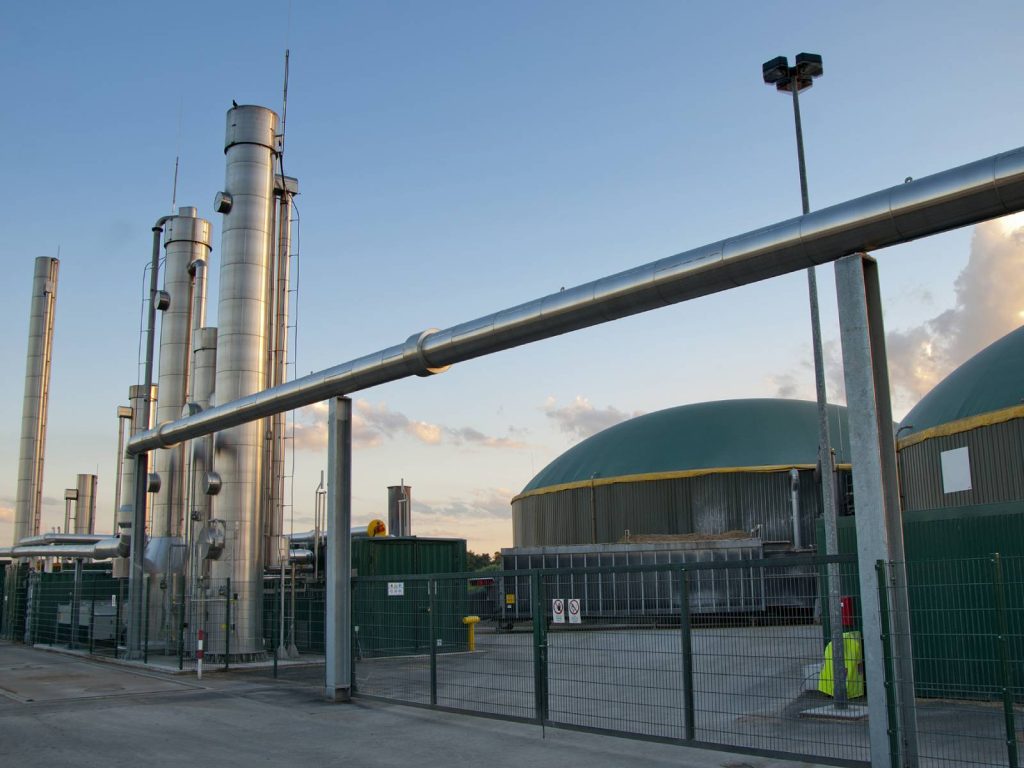
Laser-based gas detection systems provide a reliable method of monitoring VOCs and associated gases within biogas and landfill applications.
These systems can be deployed at key points across the process, including vents, flare systems and upgrading stages, providing continuous visibility of emissions. VOC monitoring is often implemented alongside Biogas Flare Gas Monitoring for AD Plants and Atmospheric Vent Gas Monitoring, where understanding gas release and composition is essential.
By integrating VOC monitoring into the wider process control strategy, operators can improve emissions control, optimise treatment systems and gain a better understanding of gas quality.
Technical Insight
Monitoring VOCs in biogas and landfill gas requires instrumentation capable of handling complex and variable conditions.
Variable gas composition
Biogas composition can vary significantly depending on feedstock and operating conditions, affecting VOC levels and measurement requirements.
Low concentration detection
VOCs are often present at low concentrations, requiring sensitive detection methods capable of identifying trace levels.
Wet and contaminated gas
Moisture, particulates and contaminants can affect measurement systems, requiring robust and low-maintenance technologies.
Emissions monitoring points
Typical monitoring locations include:
- Flare stacks
- Vent lines
- Gas upgrading systems
- Storage and handling systems
Regulatory requirements
Monitoring supports compliance with environmental regulations relating to methane and VOC emissions, including reporting and audit requirements.
Recommended Products
TDL Gas Detector
Provides high-accuracy measurement of specific gases, supporting emissions monitoring and process control.
Open Path Laser Gas Detector
Ideal for detecting VOC-related emissions and leaks across larger areas, providing early warning of gas releases.
Key Benefits
- Improved visibility of VOC emissions and gas composition
- Supports environmental compliance and reporting
- Early detection of leaks and abnormal emissions
- Helps optimise gas treatment and upgrading systems
- Reliable performance in wet and variable gas conditions
- Low maintenance with long-term measurement stability
Need information or advice?
Speak with our friendly, expert team to discuss your requirements and find out how we can help you.
VOC Monitoring FAQs
Explore common questions about VOC monitoring in biogas and landfill applications, including how systems work, what is measured and how to ensure compliance.
What are VOCs in biogas and landfill gas?
VOCs (Volatile Organic Compounds) are organic chemicals that can vaporise into the gas phase. In biogas and landfill gas, they originate from the breakdown of organic waste and can include a range of compounds that affect gas quality and emissions.
Why is VOC monitoring important?
From experience, VOC monitoring is often overlooked until it becomes a compliance issue. Monitoring provides visibility of emissions, helps identify process issues and ensures that treatment systems are working effectively.
What gases are typically monitored alongside VOCs?
In addition to VOCs, monitoring often includes methane (CH₄), carbon dioxide (CO₂), hydrogen sulphide (H₂S) and oxygen (O₂), providing a complete picture of gas composition and emissions.
What is the best technology for VOC monitoring?
Laser-based gas detection systems are commonly used due to their accuracy, stability and low maintenance. Open path systems are particularly effective for detecting emissions over large areas.
Where should VOC monitoring be installed?
Monitoring is typically installed at key emission points such as vents, flare systems and upgrading processes, as well as across site perimeters for leak detection.
How does VOC monitoring support compliance?
Continuous monitoring provides reliable data for reporting and auditing, helping operators demonstrate compliance with environmental regulations and identify areas for improvement.
Relevant Links

Why Trust Allison Engineering
We are committed to delivering the highest standards across the specialist areas we support, combining proven products with practical engineering knowledge and dependable service.
Need Help Monitoring VOC Emissions?
Speak to our team to identify the right VOC monitoring solution for your application, ensuring compliance, improved visibility and reliable long-term performance.